6 Dark Truths About the Second CCL Tear — And Why the Good Leg Is Already at Risk
After one leg is fixed, nearly 3 in 4 dogs eventually tear the other side — here's what surgery left uncorrected in the remaining leg.

 📊 Nearly 3 in 4
1
📊 Nearly 3 in 4
1
The Second Tear Isn't Bad Luck — It's the Statistical Default
Only about 2.55% of dogs ever tear a cruciate ligament in the first place. But once one side goes, the odds flip hard: research puts the chance of the other leg tearing at roughly 73.6%. That's not a fluke waiting to happen — it's the most likely outcome, and most owners are never told the number after the first surgery.
See What Protects It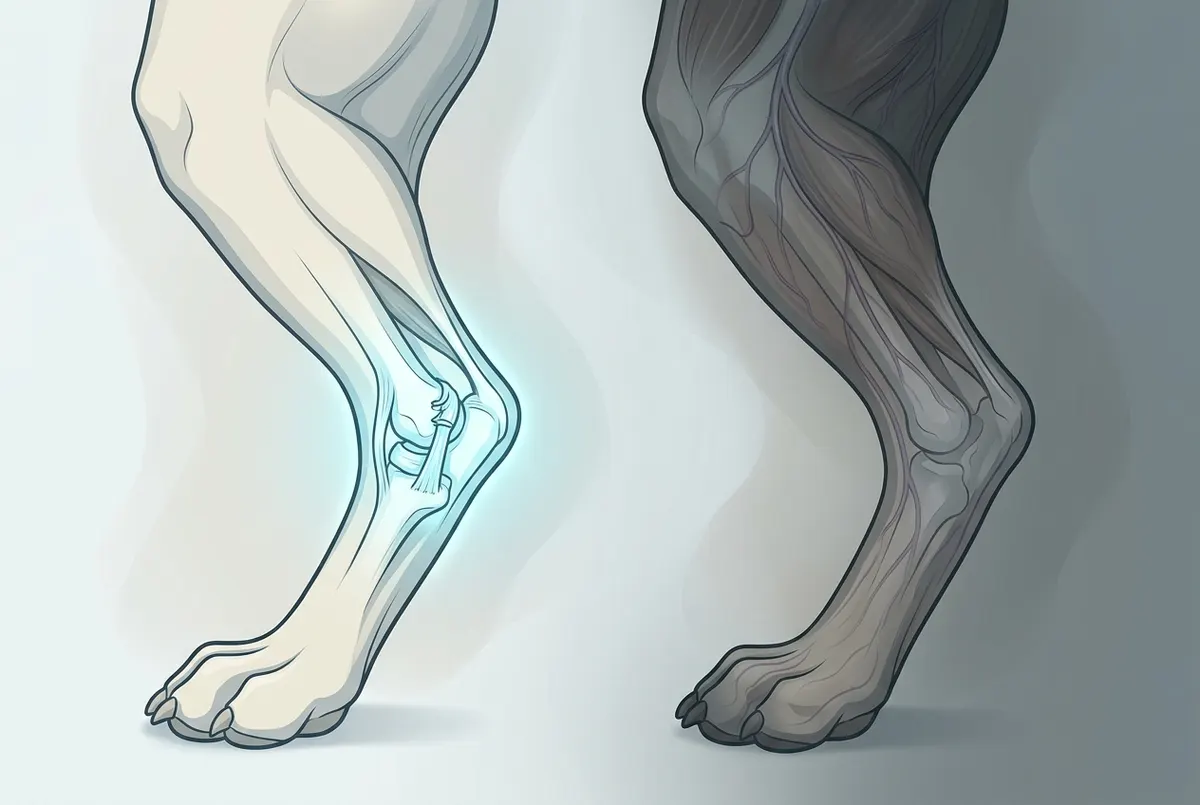 🩹 Cause left untouched
2
🩹 Cause left untouched
2
Surgery Fixed the Bone, Not What Caused the Tear
A TPLO or similar repair reshapes the joint so the mechanical problem on one side stops. That's real, and it works. But it does nothing about the reason that ligament weakened in the first place — poor blood flow feeding the tissue. That same quiet problem is still sitting in the good leg, completely uncorrected.
So the surgery you already paid for solved the result, not the cause. The other leg is running on the same weak supply that failed the first one.
Fix the Root Cause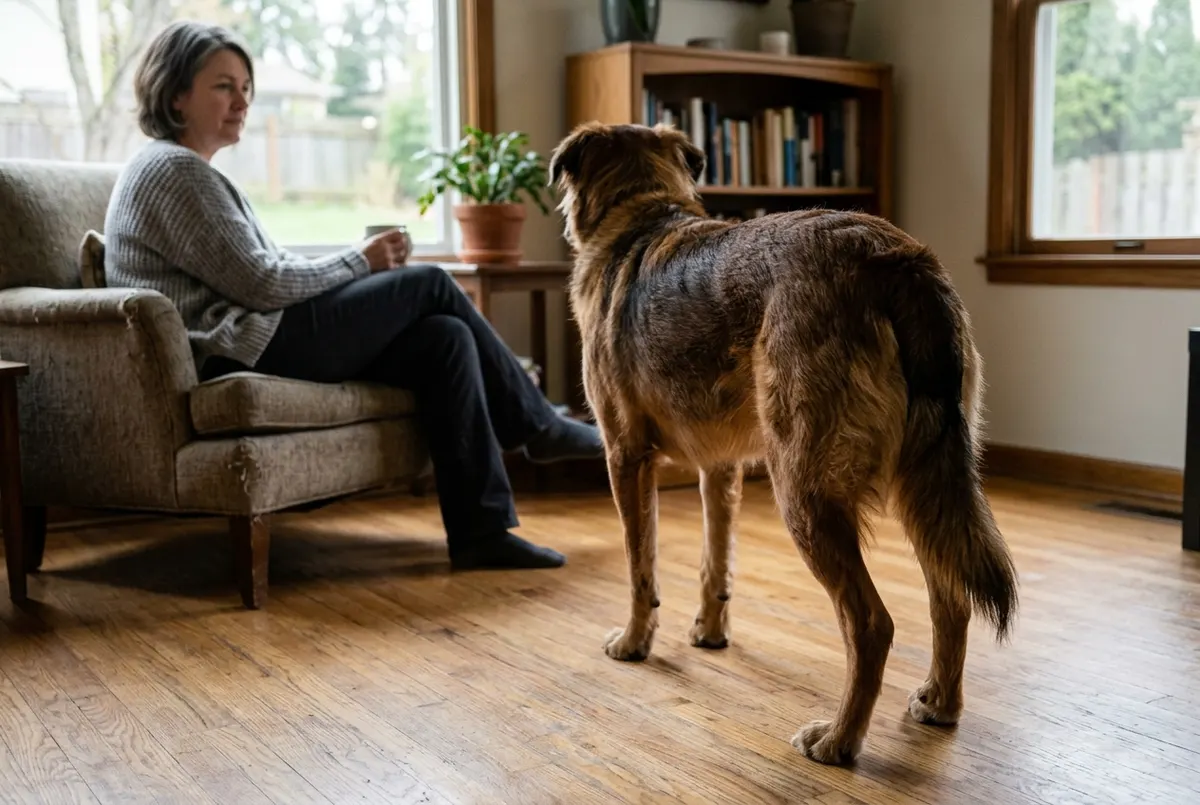 👀 Hidden until late
3
👀 Hidden until late
3
The Limp You'll See First Is Actually the Good Leg Failing
Here's the cruel part. When the second tear begins, the dog often looks better for a while — because they shift weight off the failing side and lean harder on the surgical leg. By the time an owner spots a real limp, the ligament on the good side has usually been giving out for weeks. The warning sign shows up late, on purpose, because dogs hide pain.
Act Before the Limp ⚖️ Double the strain
4
⚖️ Double the strain
4
The Good Leg Is Carrying Double the Load Right Now
Through recovery and long after, dogs unload the surgical leg and dump that force onto the healthy one. Every step, stair, and jump the remaining leg takes extra strain — the exact mechanical stress a compromised ligament is least able to absorb. It's being asked to do two legs' work at the worst possible time.
Ease the Load ⏳ Start early wins
5
⏳ Start early wins
5
Waiting for a Symptom Means Waiting Too Long
In a 2024 survey of over 500 owners, 74% wished they'd started joint support earlier — usually after the damage was already done. Joint tissue doesn't announce trouble until it's advanced. For a dog whose other side already failed, waiting for a visible sign isn't caution. It's just betting the odds you already know are stacked.
Start Protecting Now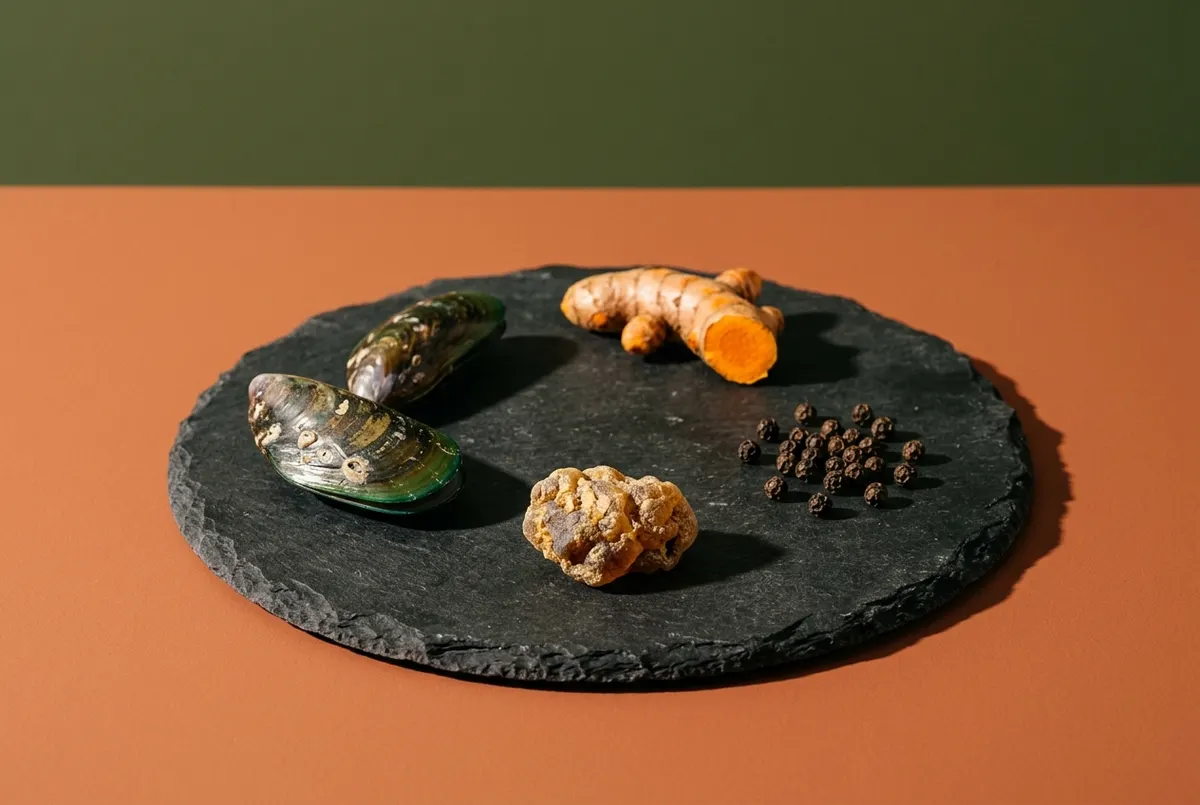 🌿 Circulation matters
6
🌿 Circulation matters
6
Cheap Joint Chews Skip the One Thing That Protects Blood Flow
Most budget joint supplements run 3 to 5 ingredients — glucosamine, chondroitin, maybe MSM — aimed only at cushioning. What they almost always leave out is anything that supports the circulation feeding that tissue. Ingredients like piperine and MSM are the ones tied to blood flow. They get cut to hit a low price. For a good leg whose real weakness is supply, that's the part that matters most.
Compare the FormulasMeet Paw Pro Vet Daily Hip & Joint Chews
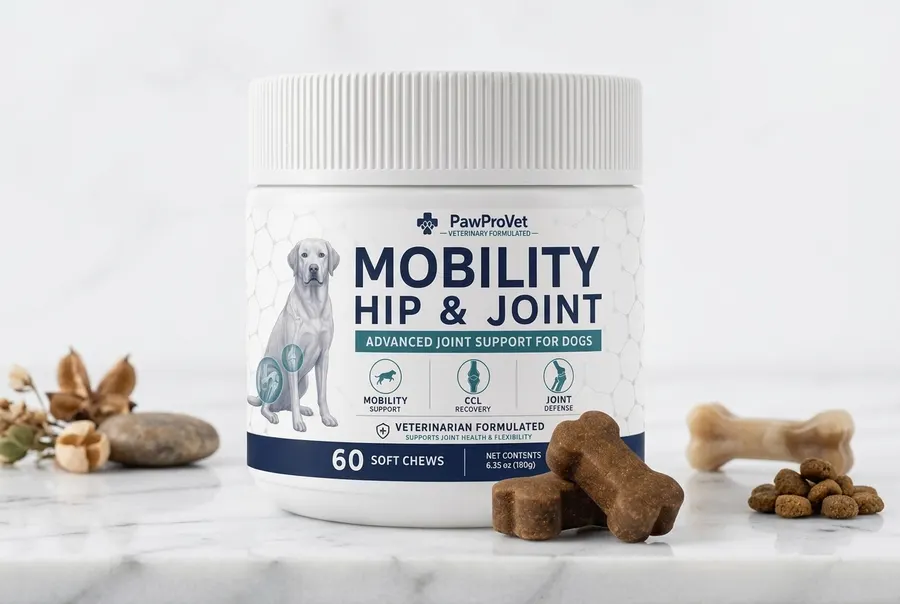
Many owners report these chews support circulation to the remaining leg.
Formulated by a dog scientist and vet-approved, they pack 12 science-backed ingredients where most run 3 to 5: glucosamine and chondroitin to support cartilage, green-lipped mussel for flexibility, turmeric and boswellia for a healthy inflammatory response, and piperine and MSM, ingredients associated with blood flow support.
Independently lab-tested, GMO- and hormone-free, made in a GMP-certified USA facility, with allergens listed upfront. It's built for the one job you care about right now: giving the good leg every bit of support the surgery couldn't.
Protect the Good Leg Before It Buckles
What are people saying about Daily Hip & Joint Chews?
Post-surgery owners tend to arrive skeptical — they've already spent big once and want proof, not promises. Here's what owners protecting a remaining leg have reported after adding daily support.
Ready to Start?
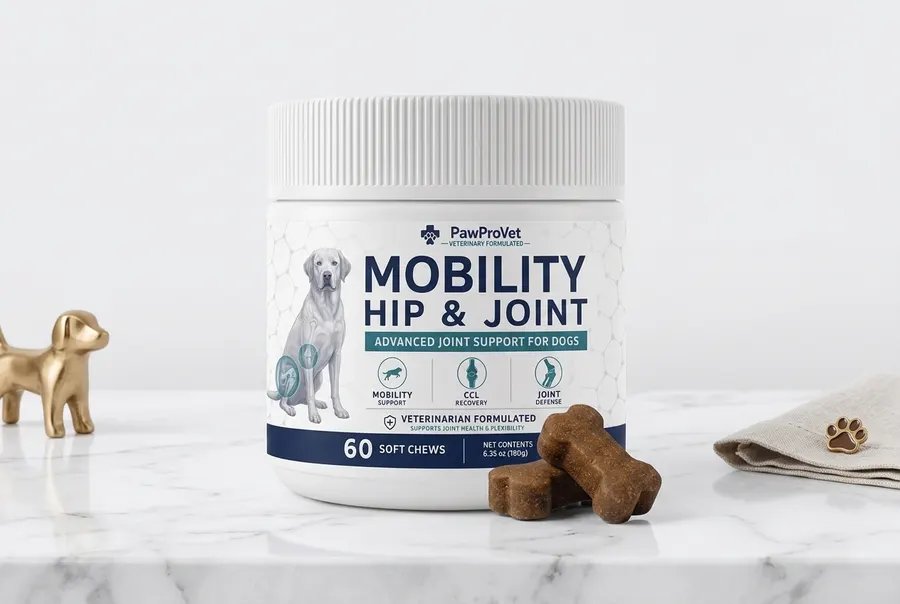
Questions post-surgery owners actually ask
The questions below come up most from owners whose dog has already had one CCL repair — how fast to expect changes, whether it's worth the price against cheaper chews, and how the double-dose protocol works in those first 30 days.