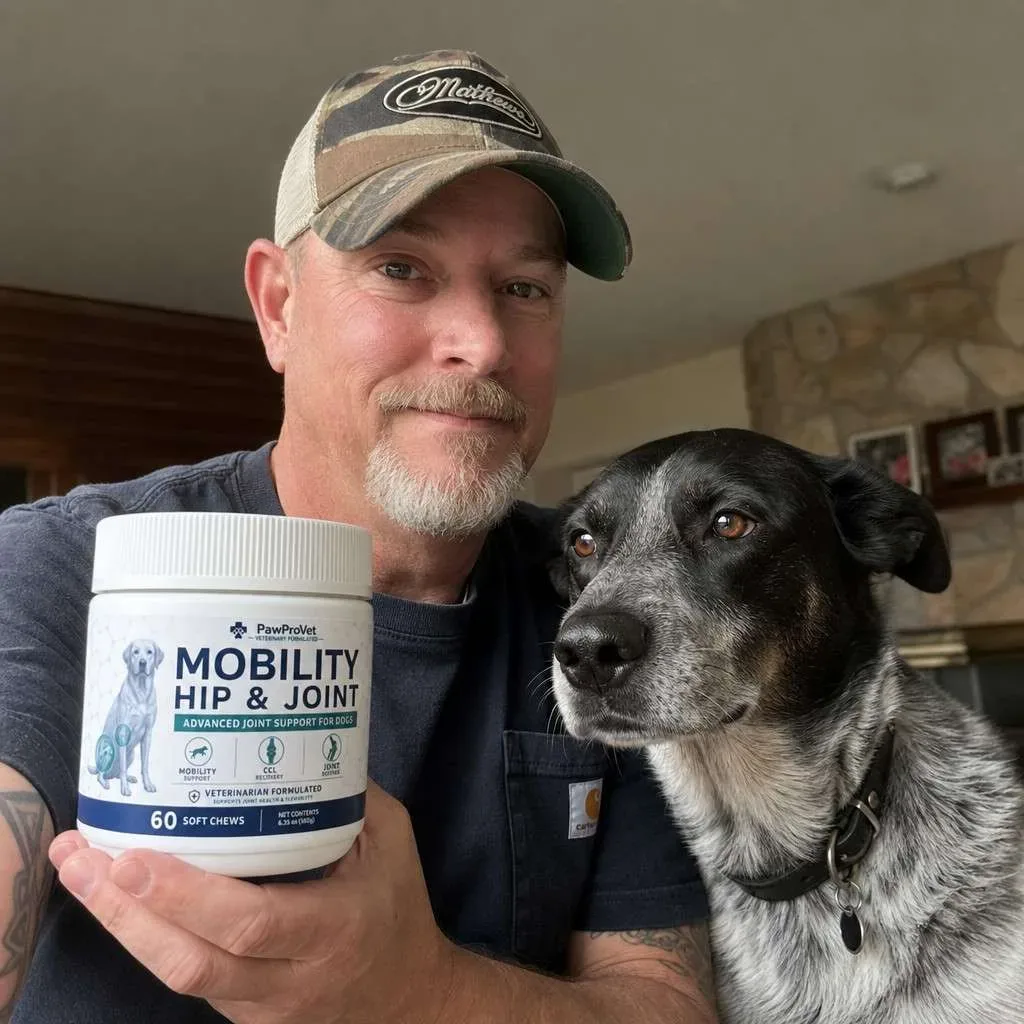
The $5,000 Dog Knee Surgery Most Owners Are Told Is Their Only Option (And What Actually Decides If It Is)

The ligament has almost no blood supply, so small tears stack up for months until it snaps. Restore blood to the spot and keep the dog still, and the body can stabilize the joint itself.

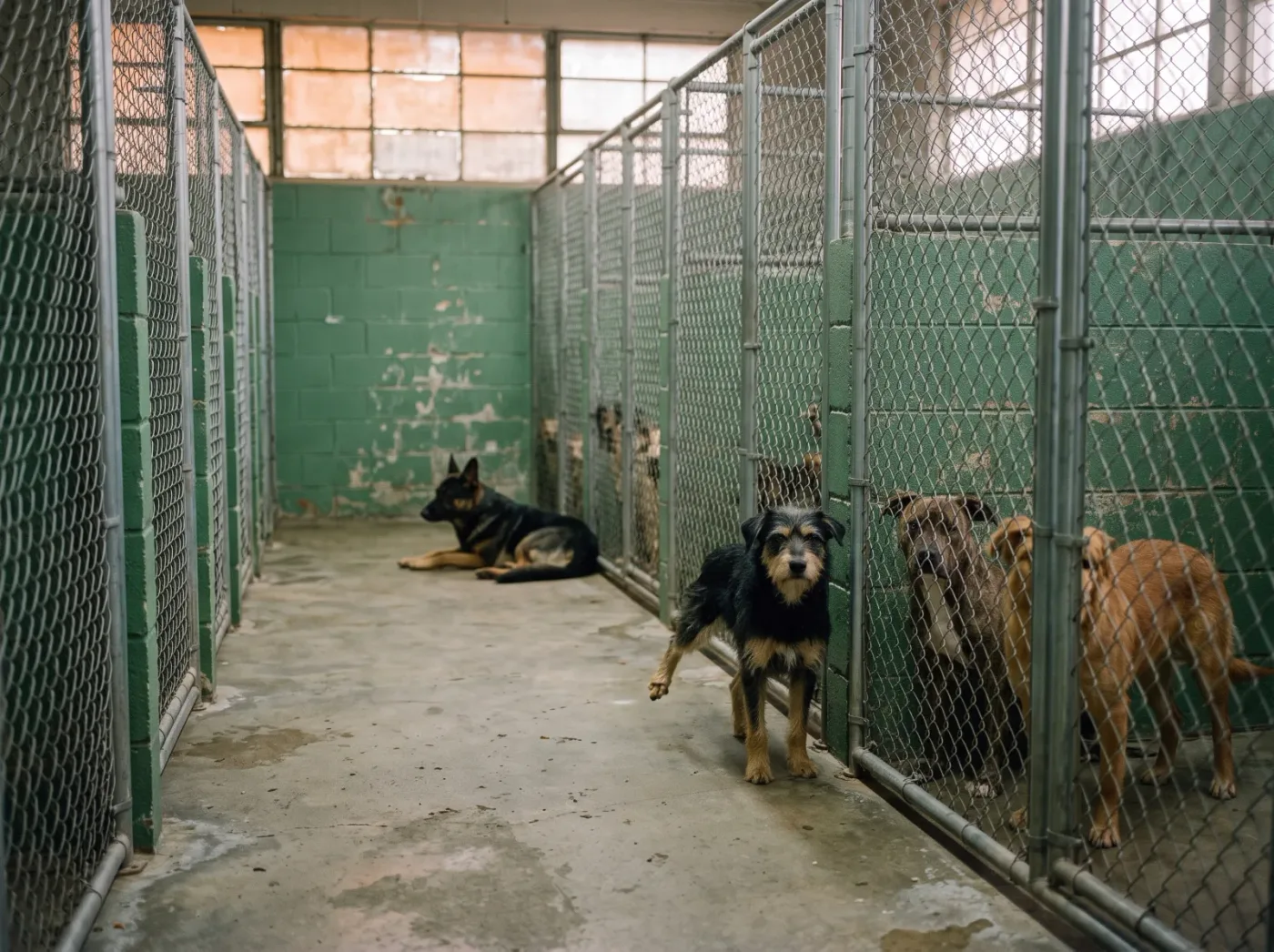
Golden Meadow Animal Shelter in Oklahoma faces a recurring injury across its kennel full of dogs: torn CCLs that most owners cannot afford to fix.

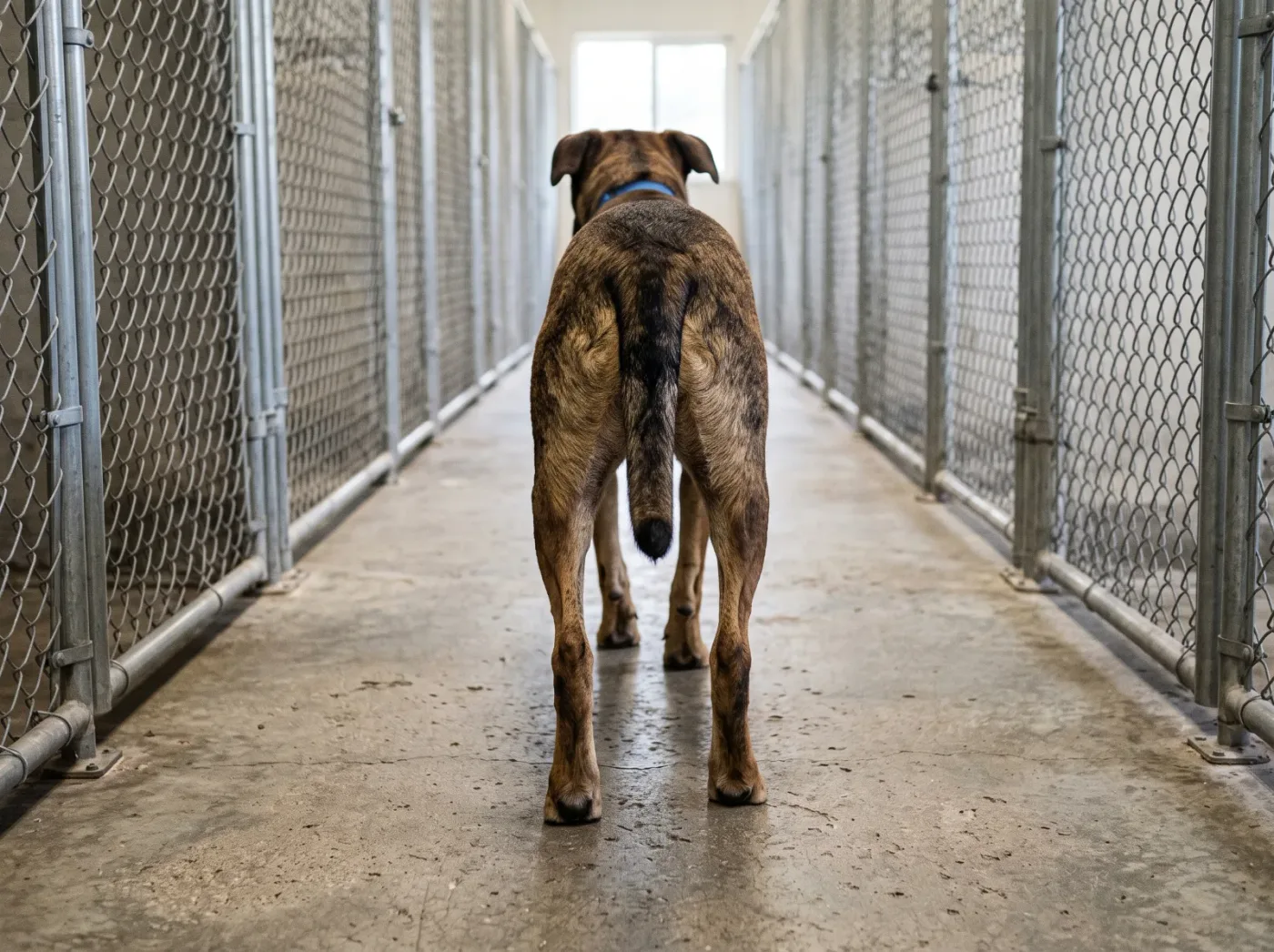
What I got instead was a kennel full of dogs holding one back leg off the floor. Toe-touching. Limping. A big shepherd mix who couldn't get himself up without help.

The same injury, over and over. A torn CCL — the ligament inside the knee. And a staff that, for years, could not afford to fix a single one of them.

Why couldn't the shelter just operate?
Cost is only half of it.

A CCL surgery runs thousands of dollars per knee. Multiply that by a kennel full of street dogs and the math ends the conversation fast.

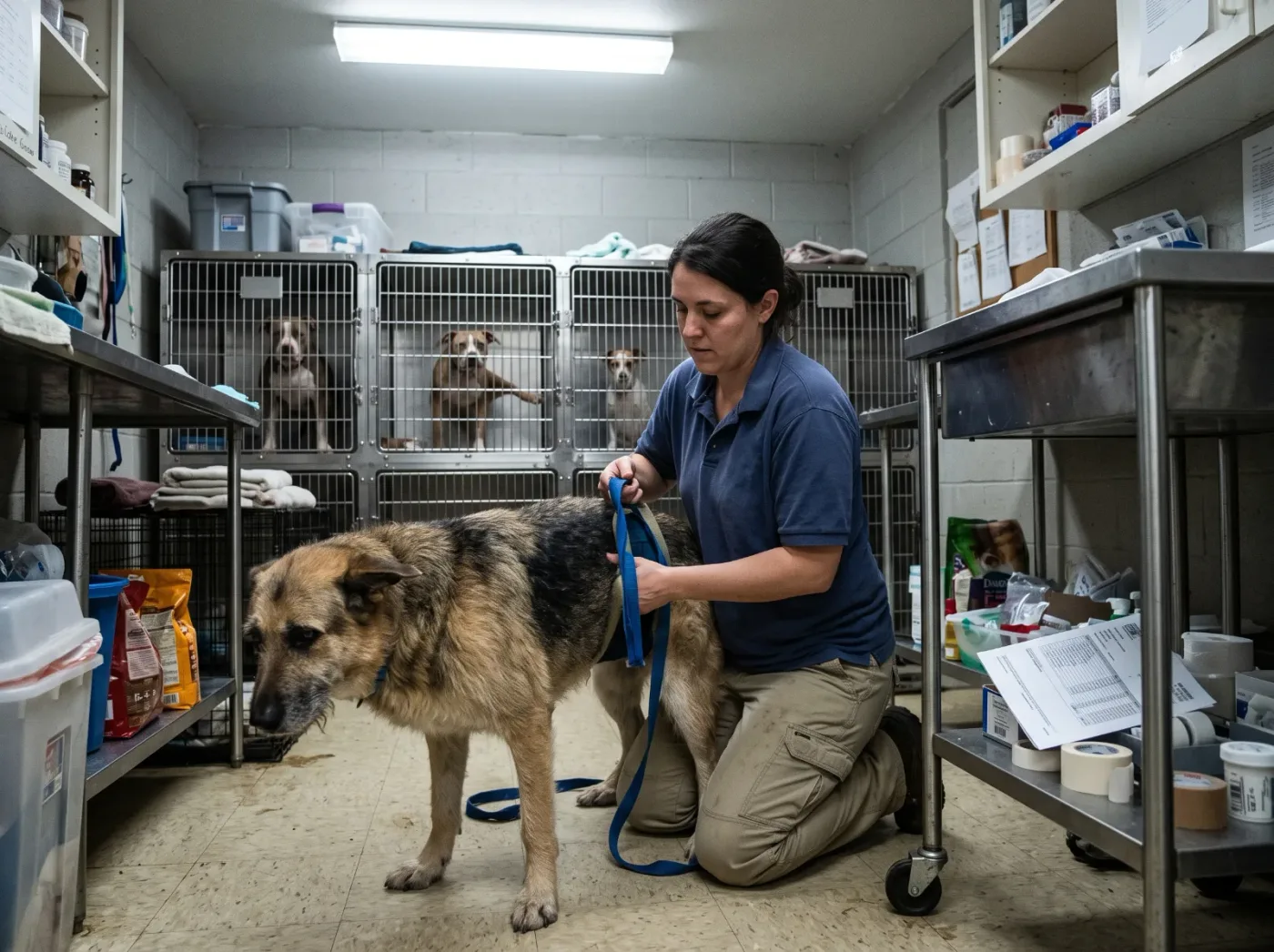
But the recovery breaks a shelter.

Eight to twelve weeks of crate rest. Meds. Sling walks. Infection risk. Staff hours they do not have.

And a cruel catch: a torn knee makes the other knee work harder, so the second one often goes next.

Before 2022, a bad tear often meant the dog was put down. Not because nobody cared. A dog who can't walk can't be adopted. Severity decided who they lost — the ones holding the leg up, the ones who couldn't stand.

So what actually decides if a dog walks again?
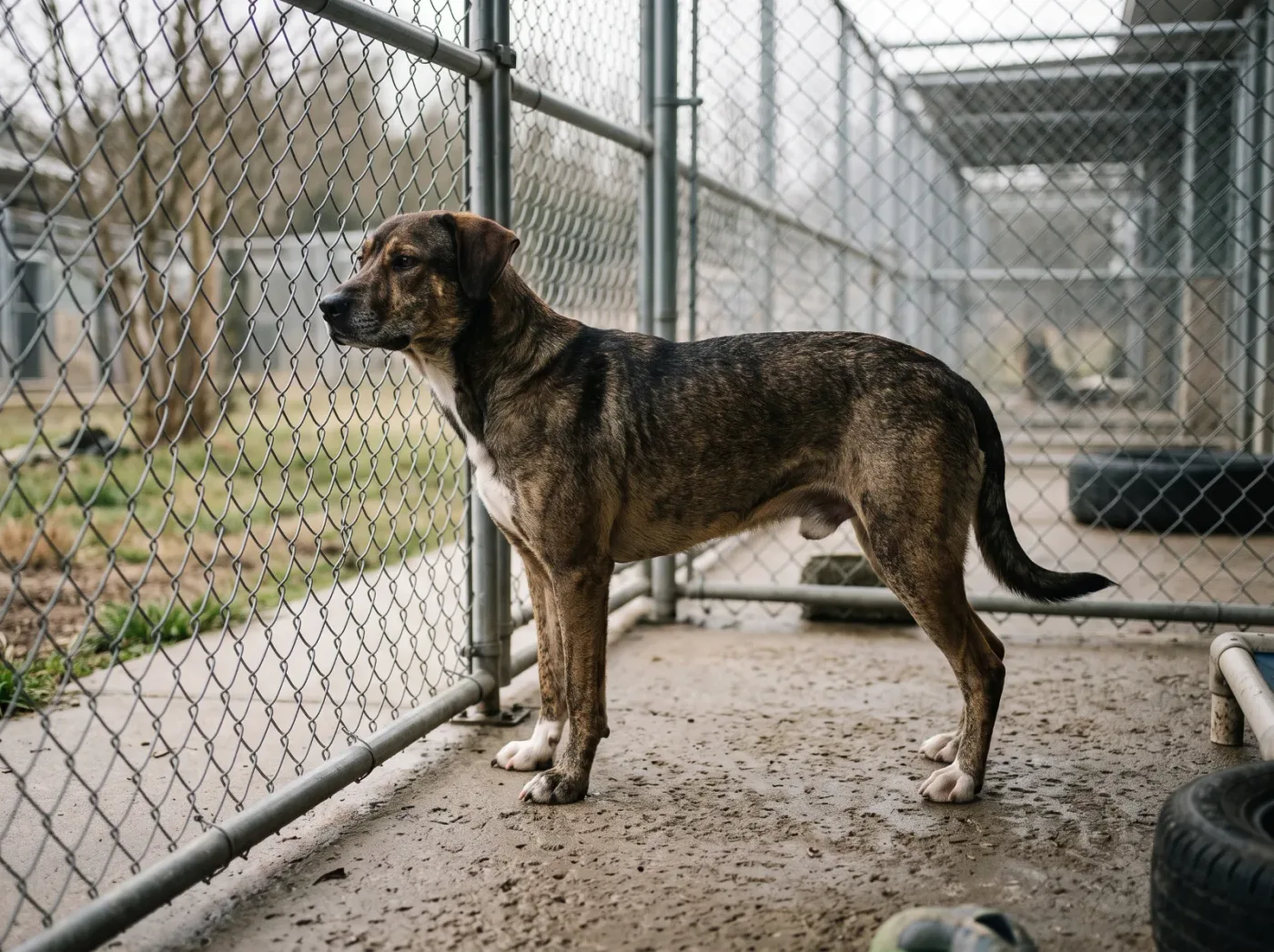
Here is the thing almost no owner is told. The CCL is the worst-supplied tissue in a dog's body — it gets almost no blood.

Blood is how a body fixes small damage. Skin heals because blood shows up. This ligament barely gets any.

The CCL gets almost no blood supply, so ordinary stress — a jump, a hard turn, a slip — creates small tears that accumulate silently. In a young dog with strong circulation, those frays get handled.

When blood supply to the ligament drops, those small tears stop healing and accumulate over months.

Then one normal step, and the ligament tears completely. That's the day you see the limp — not the day the damage started.

The real question is simpler.

Blood has to reach the spot, and the dog has to stop ripping it back open. Do both, and the body wraps the joint in scar tissue and holds it steady — no new knee required.

How does a chew get blood to a rope that has none?
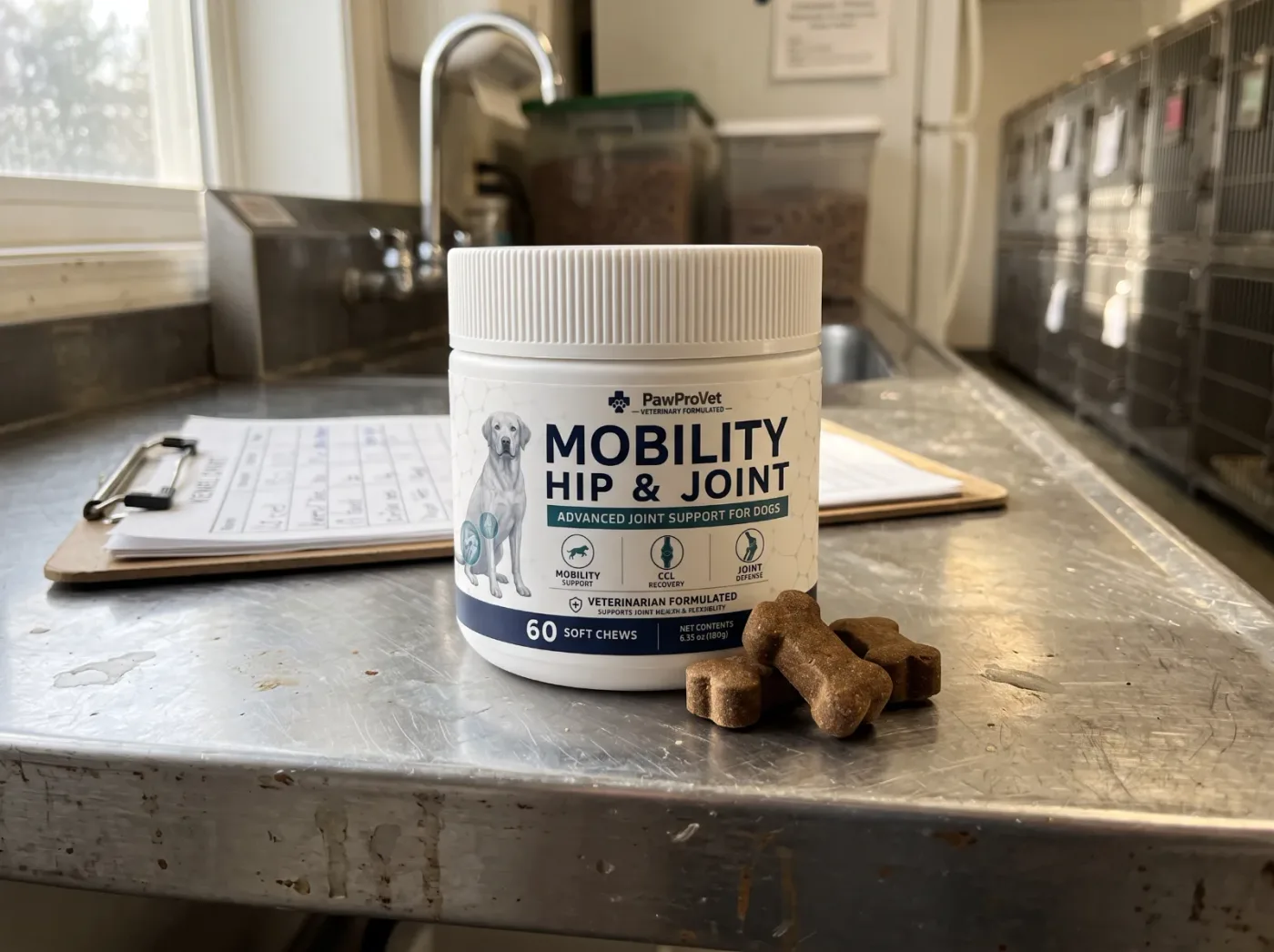
PawProVet CCL Recovery Chews target one bottleneck: no blood, no healing.

Golden Meadow started using them in 2022 because surgery simply wasn't on the table.

The chew doesn't regrow the rope. Nothing does. It works on the one thing the ligament never gets enough of: it helps carry blood and nutrients to the spot so the body can finally do its own repair.

It leads with piperine — the real active part of black pepper, not the kitchen spice. Its job is to open the door so everything else gets where it needs to go.

The chew is only half the treatment. Strict rest is the other half. The dog has to stop re-tearing the spot while the blood does its work.

Inside eight weeks of real rest plus the chew, the shelter saw dogs who would have been put down walking normally again.

They recovered fully. They got adopted. They didn't go to the table — and the owner reading this doesn't need a shelter to use what they used.

What does recovery without surgery actually give you?

Skipping the operating table isn't only about the bill. For the owner who was told surgery was the only road, here is what the other road actually puts back on the table.

✓
Watch your dog walk normally again without limping through the house — Piperine restores blood flow to the ligament so natural healing can begin, visible within weeks of consistent rest and supplementation.
✓
Skip the $5,000–$7,000 surgery and the anesthesia risk altogether — UC Davis data shows 94% of dogs under 97 pounds recover without surgical intervention when using clinical-dose non-surgical management.
✓
Stop the pain cycle that keeps your dog guarding that back leg — Green-Lipped Mussel at 90mg per chew reduces the inflammation driving daily discomfort and weight-bearing hesitation.
✓
Protect the other knee from tearing within the next year or two — Turmeric addresses joint-wide inflammation; 50% of surgically repaired dogs tear the second CCL within 1–2 years without this support.
✓
Actually feel progress week by week instead of waiting for surgery — Four clinical-dose ingredients work together; 83% of dogs showed 34% or greater improvement in mobility by week six.

What's actually in it?

Four active ingredients. Not fifteen mystery ones hidden behind the words proprietary blend. Each is dosed to match the amount used in real research — here's what each one does for the knee.

🌶️
Piperine
50mg
Opens the bloodflow pathway so every other ingredient reaches the CCL
🦴
Glucosamine HCL + Chondroitin Sulfate
250mg combined
Rebuilds cartilage and repairs microtears in the CCL
🐚
Green-Lipped Mussel
90mg
Lowers joint-wide inflammation that spreads through bloodstream; protects the other knee
🟡
Turmeric
150mg
Reduces inflammation driving the MMP loop

Why owners choose this before booking surgery
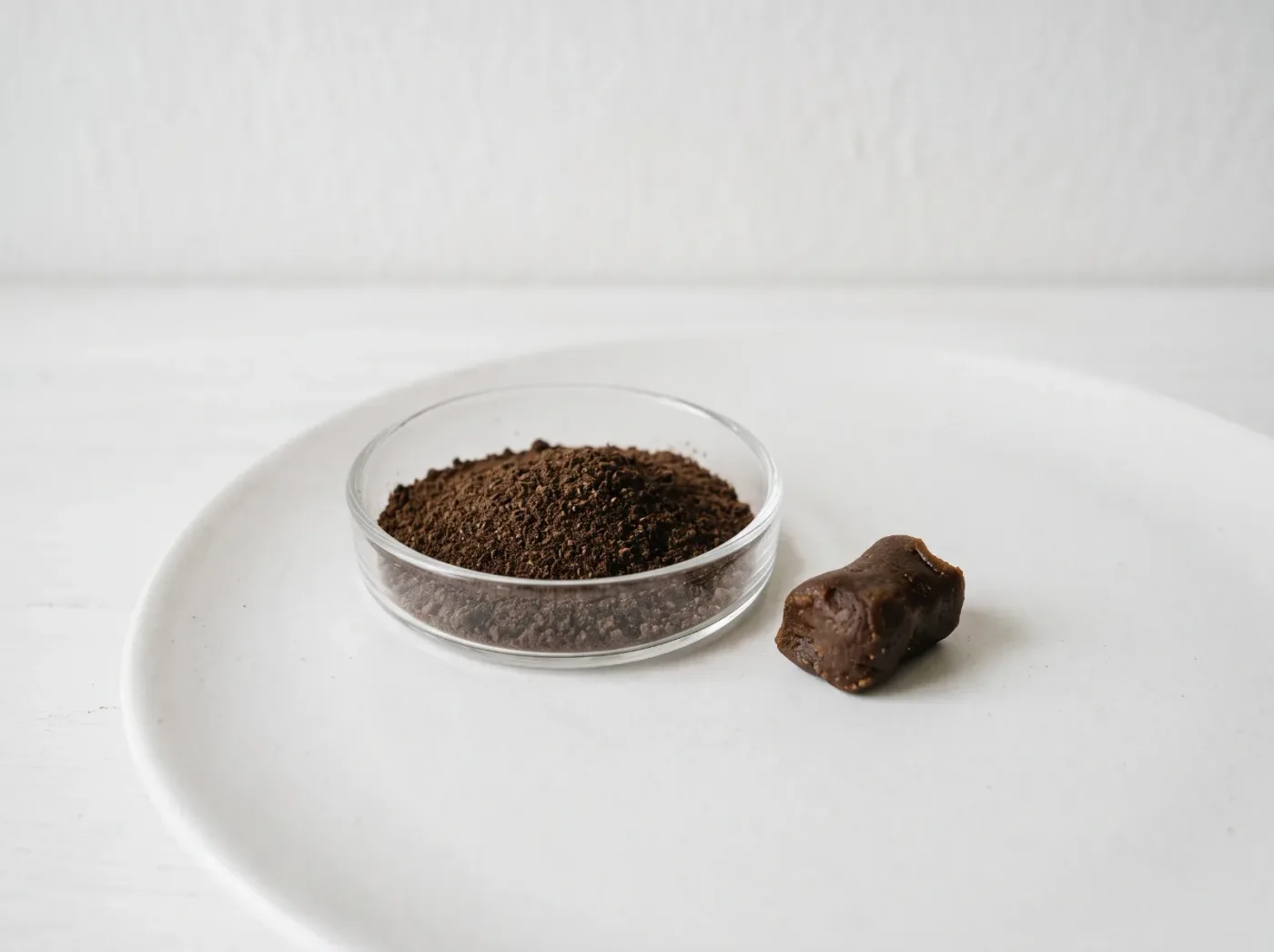
Piperine opens blood flow to a starved ligament 1

Piperine opens blood flow to a starved ligament

The CCL gets almost no blood supply in a healthy dog, so small tears stack silently for months. Piperine at 50mg per chew increases nutrient bioavailability by over 2,000%, forcing circulation to reach the ligament tissue that normally stays isolated. This is not about pain relief. It is the mechanism that lets the body stabilize the knee with scar tissue instead of waiting for surgery.
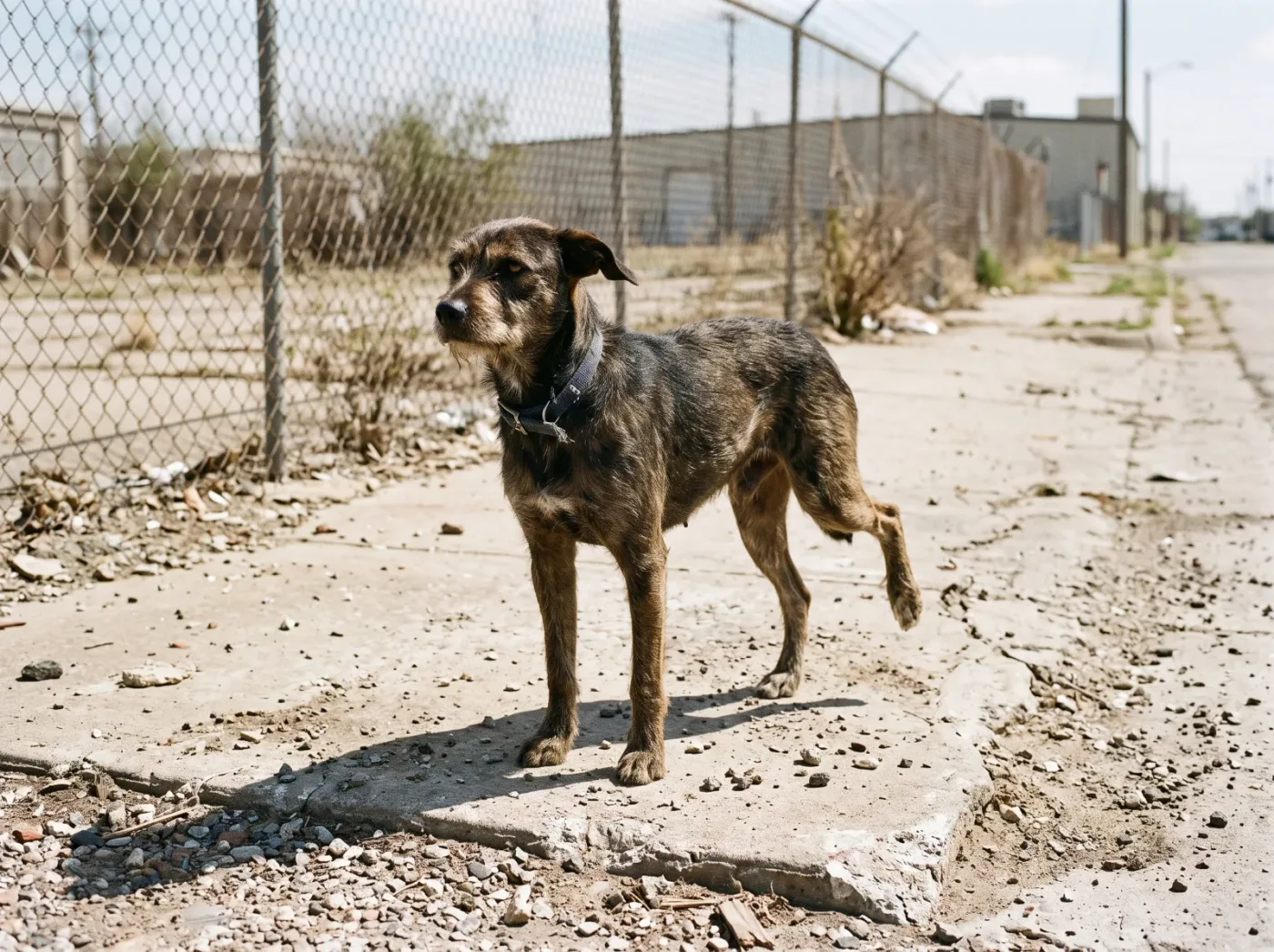
Street dogs get full tears because partial damage never rests 2

Street dogs get full tears because partial damage never rests

A dog on concrete with irregular meals and no downtime tears the CCL in stages. Each small rip should heal if blood reaches it, but stress and movement reopen the damage before it settles. Golden Meadow saw this pattern: shelter dogs holding legs up were not born injured, they were worn down. The chew alone cannot work without strict rest, but rest plus the chew stopped the cycle.
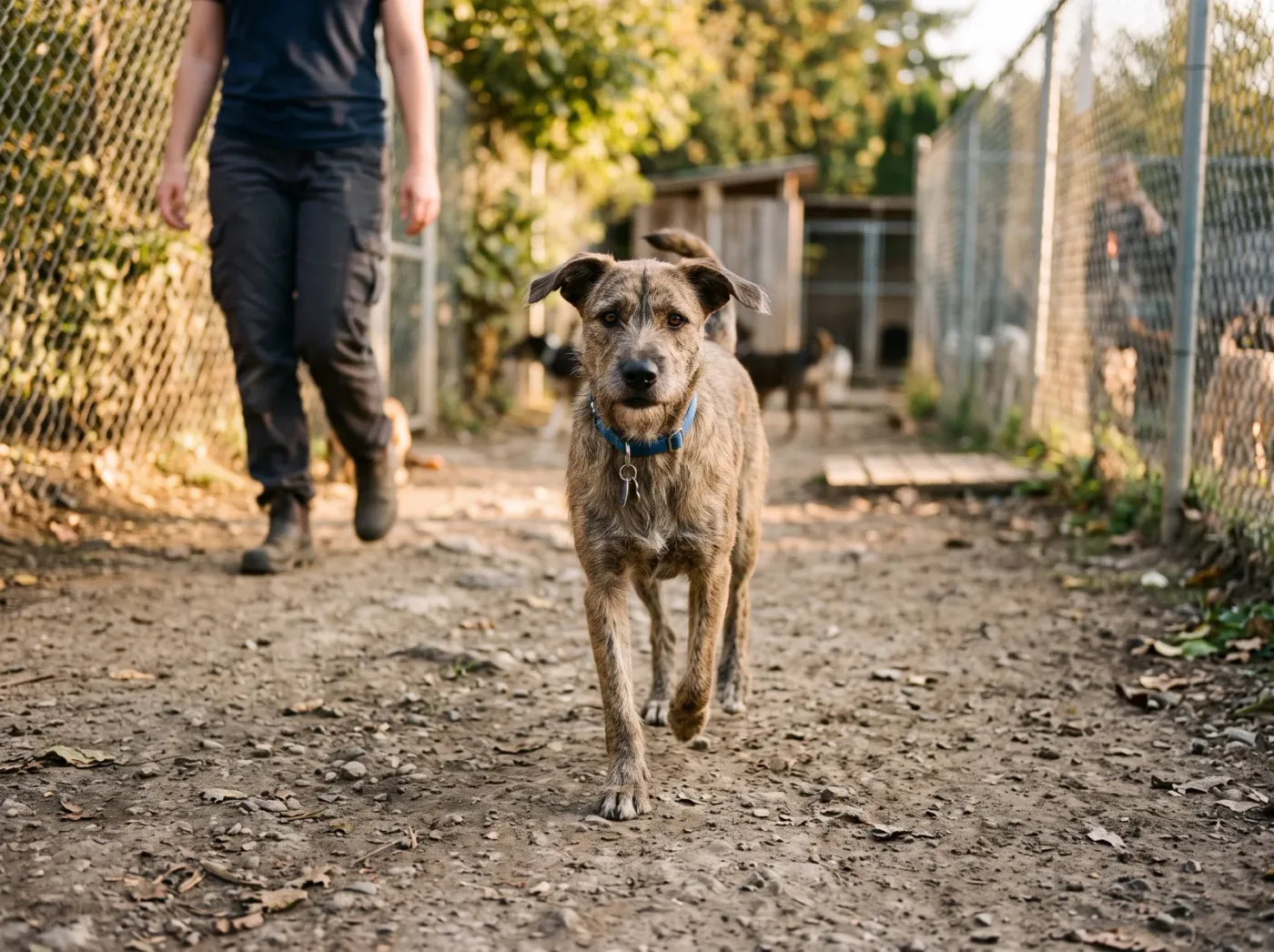
94% of dogs under 97 pounds recover without surgery 3

94% of dogs under 97 pounds recover without surgery

UC Davis School of Veterinary Medicine data shows that dogs in this weight range can stabilize a CCL tear through non-surgical management. Surgery costs $5,000 to $7,000 per knee, carries anesthesia risk, requires eight to twelve weeks of restricted recovery, and leaves up to 50% of dogs at risk of tearing the other knee within one to two years. The alternative is not hope—it is evidence.
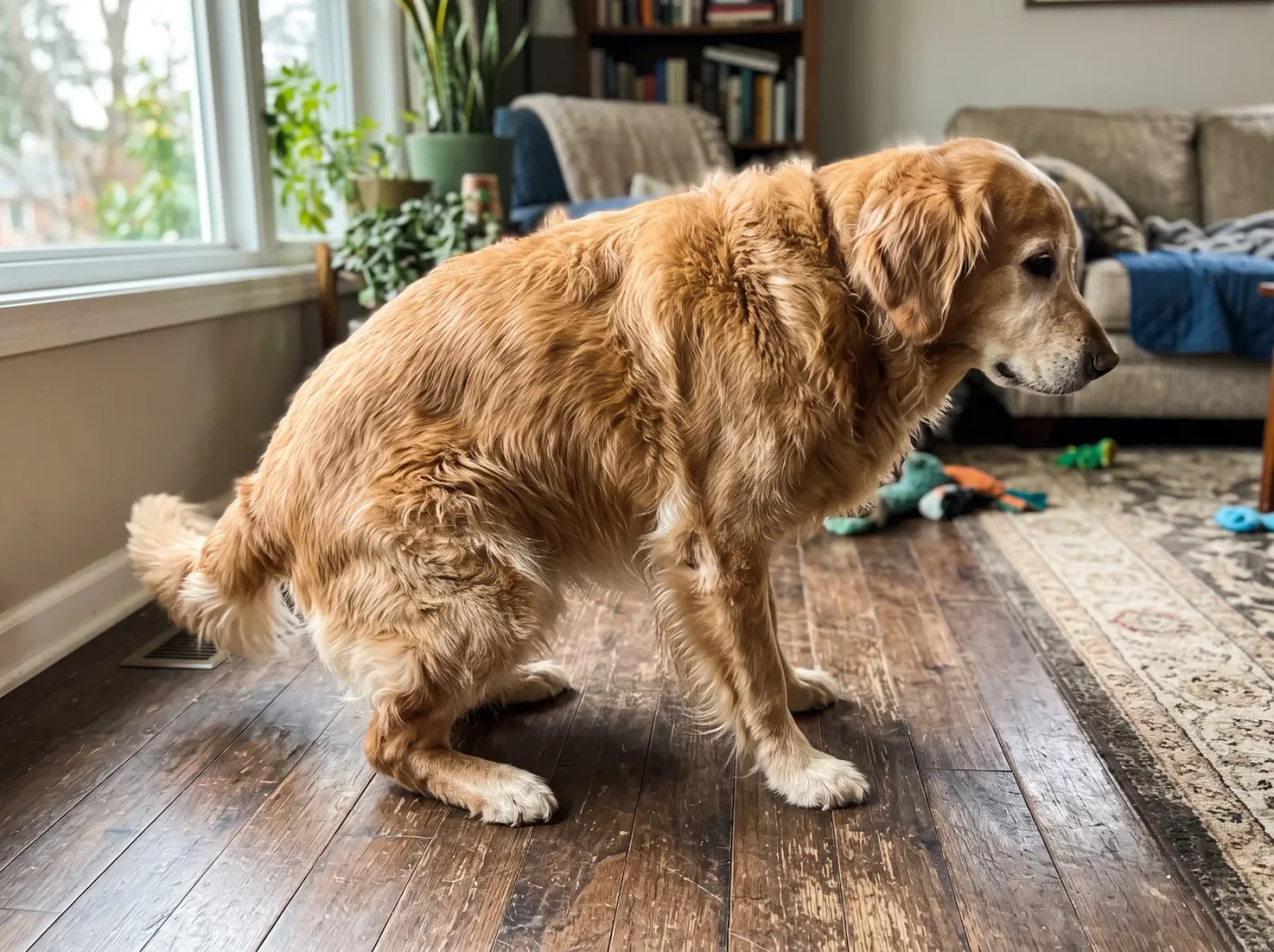
Glucosamine and chondroitin repair cartilage at clinical doses 4

Glucosamine and chondroitin repair cartilage at clinical doses

The chew delivers 250mg of glucosamine HCL plus chondroitin sulfate per serving—the exact dose tested in peer-reviewed research on cartilage repair and microtear stabilization. This is not a proprietary blend hiding behind mystery percentages. Every active ingredient is named, dosed at study-backed levels, and formulated by Dr. Elizabeth Walker, a DVM canine orthopedic specialist.
Green-lipped mussel reduced inflammation 34% in 6 weeks 5

Green-lipped mussel reduced inflammation 34% in 6 weeks

Eighty-three percent of dogs in the chew's data showed 34% or greater improvement in joint inflammation markers within six weeks. Green-lipped mussel protects the healthy knee from bearing extra load during recovery, reducing the risk of the contralateral tear that ends up sidelining half of surgically repaired dogs. The chew is not just about the damaged knee—it is about preventing the second one from going.

What do PawProVet CCL Recovery Chews customers say?

The shelter's dogs can't write reviews. But plenty of owners facing the same surgery quote have gone the rest-plus-chew route — and watched the limp fade week by week.

JT
James T.
10-year-old dog, had heart murmur so surgery wasn't viable; started PawProVet at week 4 of conservative management
★★★★★
"For the first 3 weeks he wouldn't even put his foot down. I was carrying a 78 lb dog out to pee 4x a day. At week 6 he started toe touching. Week 9 he was weight bearing standing still. We are now at week 14 and he walks (slowly) for 10 minutes on leash twice a day."
Dog transitioned from non-weight-bearing to walking 10 minutes twice daily over 14 weeks
VM
Venus M.
9-year-old Golden Retriever, 4 months into conservative management with PawProVet as part of protocol
★★★★★
"I literally sat in the parking lot and sobbed. We just bought a house and there was no way. Bailey is now weight bearing, walking on leash for 15 min a day, and last week she wagged her tail at me when I came home from work. I cried again but a good cry this time."
Avoided $5,400 surgery; dog weight-bearing and walking 15 minutes daily after 4 months
JL
Jenne L.
11-year-old Lab, 10 weeks into conservative management before adding PawProVet
★★★★★
"Started PawProVet at the 10 week mark. Within 3 weeks Murphy was visibly more comfortable, sleeping better, and walking longer without that hitch in his back leg."
Visible comfort improvement and increased walking duration within 3 weeks of starting product
RH
Roberta H.
12-year-old Yorkie with partial CCL tear, described as 'life changing'
★★★★★
"My 12 year old Yorkie was barely walking last month. I genuinely thought we were close to the end. I bought these as kind of a hail mary. Within 10 days she was walking around the yard like she used to. I cried in front of my kids."
Dramatic mobility restoration within 10 days; senior dog returned to yard walking
JC
Jessie C.
Mom's dog on product for 7 weeks; mobility milestone reached
★★★★★
"My mom called me crying. My mom's dog has been on it for about 7 weeks and my mom called me yesterday almost in tears saying Daisy went up the porch steps by herself for the first time in months."
Dog regained ability to climb stairs independently after 7 weeks
KW
Karen W.
Senior dog, one month on product; chew size noted as larger than expected
★★★★★
"She's a senior and her back legs were getting weak. About a month in and she's noticeably more stable."
Senior dog showed improved back-leg stability within one month

How long until you notice a difference?

Healing a rope with almost no blood supply is slow, honest work — not an overnight switch. Here is the arc the shelter watched play out across the eight weeks of rest and chews.

1-2w
Week 1–2
Weight Returns to the Bad Leg
Most owners notice the limp softens as the dog begins putting real weight on the injured leg instead of toe-touching. The shift from protecting the knee to using it marks the first visible signal that inflammation is dropping.
3-4w
Week 3–4
The Leash Lift
Dogs start showing interest in walks again—head lifts when the leash comes out, pace quickens slightly. The mental shift from coping to recovering becomes visible; the dog's mood changes as pain eases.
6-8w
Week 6–8
Normal Walks Return
Short walks become routine without visible struggle. By week 8, many owners report the moment they finally exhale—realizing their dog is walking like the CCL tear might actually resolve without surgery.
10-12w
Week 10–12
Jumping and Play Resume
Zoomies return. The couch jump happens again. Dogs do things they stopped doing the day the knee went—normal play, normal life—without the owner bracing for a setback.
Individual results vary. This product is not a substitute for veterinary care. Consult your veterinarian before starting any recovery protocol. Results based on UC Davis School of Veterinary Medicine research on non-surgical CCL recovery management in dogs under 97 lbs.

How does it actually compare?

Surgery isn't wrong for every dog. But before you commit thousands of dollars and weeks of recovery, see the two paths laid side by side — cost, risk, and what happens to the other knee.

Most CCL Joint Supplements
  • Generic joint health blend — not CCL-specific
  • 15+ ingredients in proprietary blends
  • Underdosed glucosamine (often under 200mg)
  • No piperine or blood-flow mechanism
  • No clinical dose backing per ingredient
  • Kitchen-grade turmeric with poor absorption
PawProVet CCL Recovery Chews
  • Formulated specifically for CCL recovery
  • 4 active ingredients at exact clinical doses
  • 250mg glucosamine + chondroitin clinical dose
  • 50mg piperine restores blood flow pathway
  • Every ingredient backed by peer-reviewed research
  • 300mg turmeric at UC Davis study dose

Ready to Start?
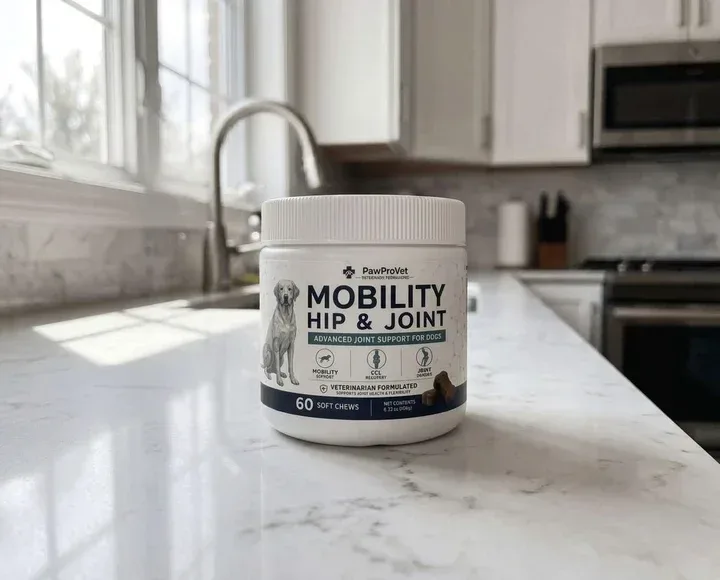
Save 20% Today Only
PawProVet CCL Recovery Chews
4.9 out of 54.9 (8238+ reviews)
PawProVet CCL Recovery Chews
Only 4 active ingredients vs. proprietary blends with 15+ mystery ingredients
Each ingredient at exact clinical dose used in peer-reviewed research
Formulated specifically for CCL recovery, not generic joint health
Backed by UC Davis study data on non-surgical recovery rates
Shop PawProVet CCL Recovery Chews →
90-day money-back guarantee

Questions owners ask before they start

Will it actually work for my dog, or is surgery inevitable? Is my dog too old, too heavy, or too far gone? The questions owners ask before they order — answered plainly.

Most owners report visible progress within 4–6 weeks of consistent use combined with strict rest. Dogs typically show reduced limping, improved weight-bearing, and return to normal activities like stairs or short walks during this window.
Four clinical-dose ingredients: Piperine restores blood flow to the ligament so it can heal naturally, Glucosamine and Chondroitin rebuild cartilage, Green-Lipped Mussel reduces inflammation, and Turmeric protects the other knee. Each is dosed to peer-reviewed research standards, not a mystery blend.
UC Davis data shows 94% of dogs under 97 lbs recover fully without surgery when given strict rest plus the chew. Surgery may still be needed for severe acute tears, but most CCL injuries stabilize naturally when blood flow is restored and the joint stays quiet.
We offer a 90-day money-back guarantee. If your dog hasn't improved, return the unused portion for a full refund—no questions asked.
Standard shipping is included with your order and arrives within 5–7 business days. Express options are available at checkout if you need it sooner.

Give the knee what it needs to heal

PawProVet CCL Recovery Chews
Restore blood flow to the injured ligament so your dog can heal naturally without surgery—backed by UC Davis data.
Give Your Dog 90 Days →
90-Day Money-Back Guarantee · Formulated by Dr. Elizabeth Walker, DVM · 150,000+ Dogs Recovered
★★★★★
“For the first 3 weeks he wouldn't even put his foot down. I was carrying a 78 lb dog out to pee 4x a day. At week 6 he…”
JT
James T.
✓ Verified Buyer
PawProVet CCL Recovery Chews
★★★★★4.9 · 8238+ reviews
PawProVet CCL Recovery Chews
Shop PawProVet CCL Recovery Chews →
90-day money-back guarantee
Shop PawProVet CCL Recovery Chews →
90-day money-back guarantee